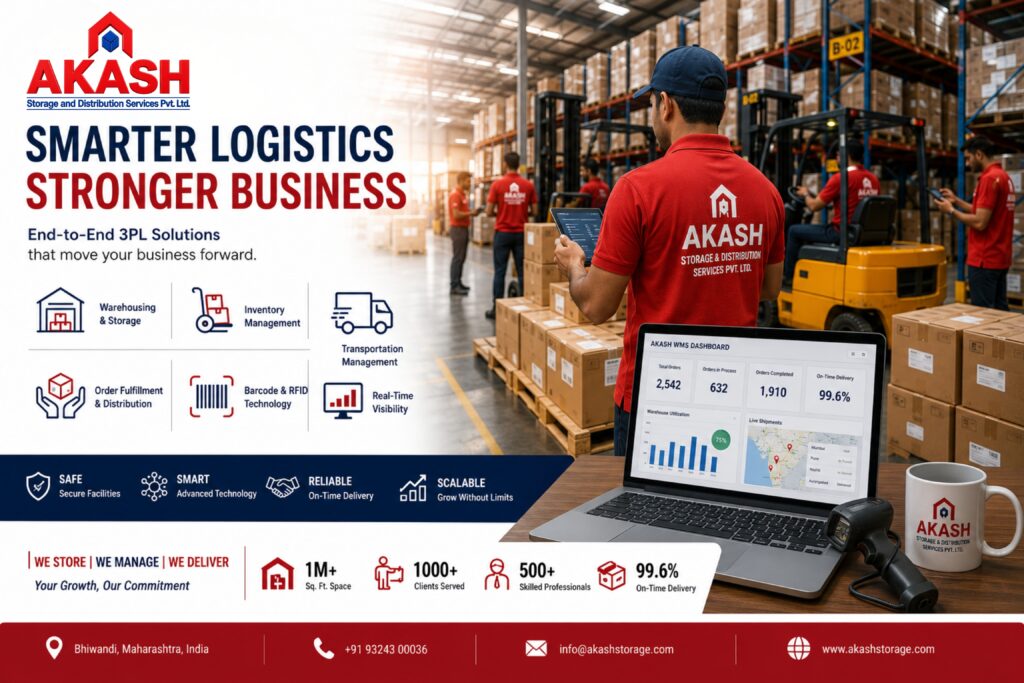
Smart Transportation & Logistics Solutions by Akash Storage & Distribution Services Pvt. Ltd.
Introduction
Transportation management plays a critical role in modern supply chain operations. Rising fuel costs, delayed deliveries, poor route planning, and inefficient fleet utilization can significantly increase logistics expenses for businesses. For companies operating in Mumbai, Bhiwandi, and across India, transportation efficiency directly impacts profitability, customer satisfaction, and operational performance.
Today, businesses require more than just transportation services. They need structured transportation management strategies that improve delivery speed, reduce costs, and increase operational control. This is where smart logistics planning becomes essential.
At Akash Storage & Distribution Services Pvt. Ltd, transportation management is integrated with warehousing and distribution operations to help businesses optimise supply chain efficiency while reducing operational expenses.
This guide explains the most effective transportation management strategies businesses can use to reduce logistics costs and improve delivery performance.
1. Why Transportation Management Is the Cost Centre You Must Control
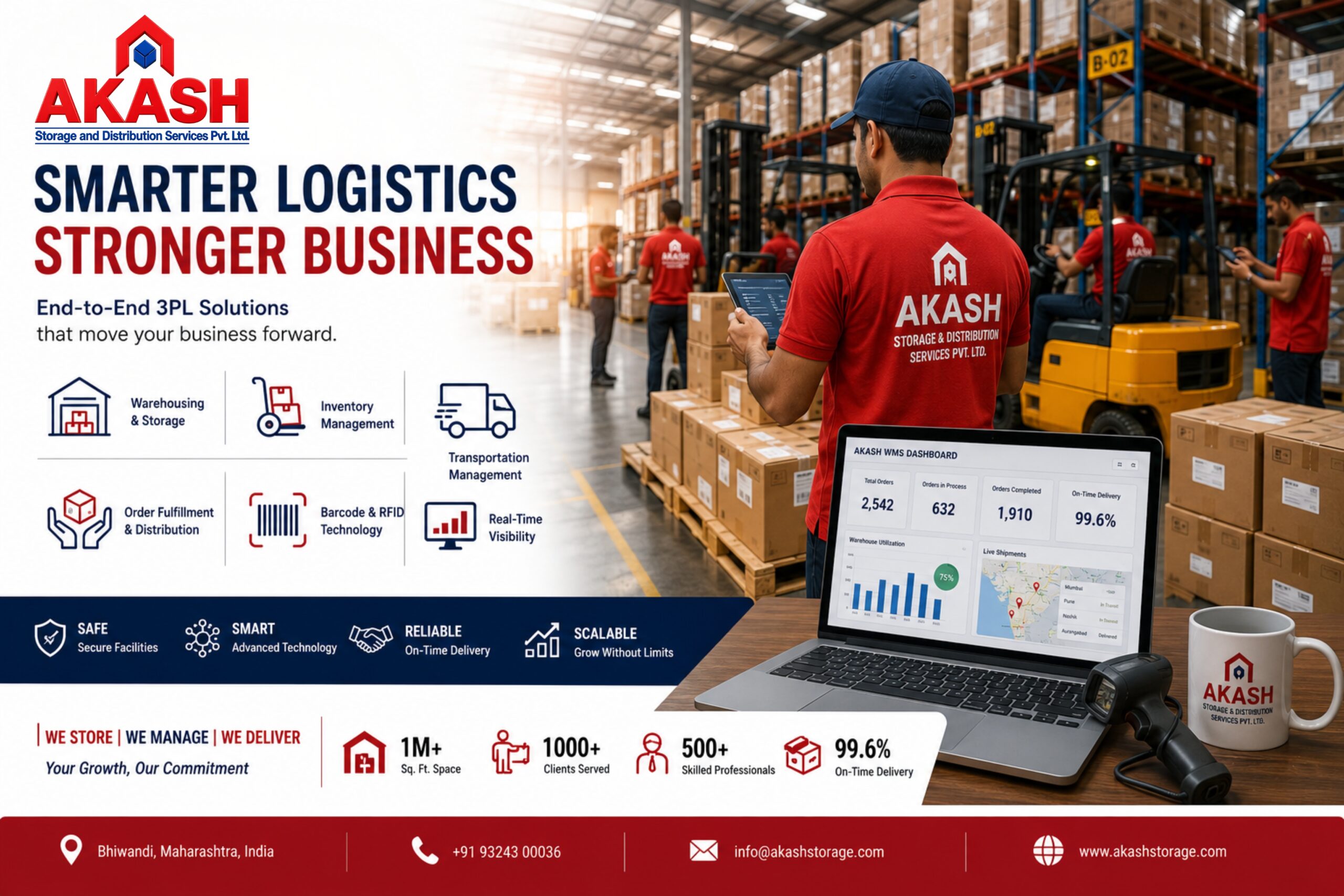
Transportation is often the largest expense in logistics operations. Poor transportation planning increases fuel consumption, delivery delays, maintenance costs, and customer complaints.
Without proper transportation management, businesses face:
- Higher fuel expenses
- Delivery delays
- Increased operational costs
- Low fleet utilization
- Product damage during transit
- Poor customer satisfaction
Smart transportation management helps businesses reduce unnecessary expenses while improving delivery accuracy and operational efficiency.
Professional logistics planning supports:
- Better route control
- Faster dispatch operations
- Improved shipment visibility
- Lower transportation risks
- Better supply chain coordination
Transportation is no longer just about moving goods from one location to another. It is now a strategic business function that directly impacts growth and profitability.
2. Route Optimisation: The Fastest Way to Reduce Transportation Costs
Route optimization is one of the most effective ways to lower logistics expenses. Using GPS tracking and route planning software allows businesses to identify faster and more efficient delivery routes.
Efficient route planning reduces unnecessary travel distance, minimizes traffic delays, and improves vehicle utilization.
Benefits of Route Optimisation
- Reduced fuel consumption
- Faster delivery timelines
- Lower driver overtime
- Reduced vehicle wear and tear
- Improved delivery accuracy
Businesses that use smart route planning can reduce transportation costs significantly while improving customer service performance.
Modern transportation systems also provide real-time traffic updates and alternate route suggestions, helping drivers avoid delays and maintain delivery schedules.
Internal Linking Opportunities
- Smart Warehousing Solutions in Bhiwandi
- 3PL Warehouse Services Mumbai
- Supply Chain Optimization Services
3. Load Optimisation Improves Vehicle Efficiency
Many businesses lose money because vehicles operate below capacity. Load optimisation ensures maximum utilisation of truck space and carrying capacity.
Efficient load planning reduces the number of trips required for deliveries, helping businesses lower transportation expenses.
Benefits of Load Optimization
- Fewer delivery trips
- Lower freight costs
- Better vehicle utilization
- Reduced fuel expenses
- Improved shipment planning
Strategic load consolidation also improves scheduling efficiency and reduces traffic congestion during transportation operations.
Businesses handling high shipment volumes benefit significantly from proper load management systems.
4. Preventive Vehicle Maintenance Reduces Logistics Risks
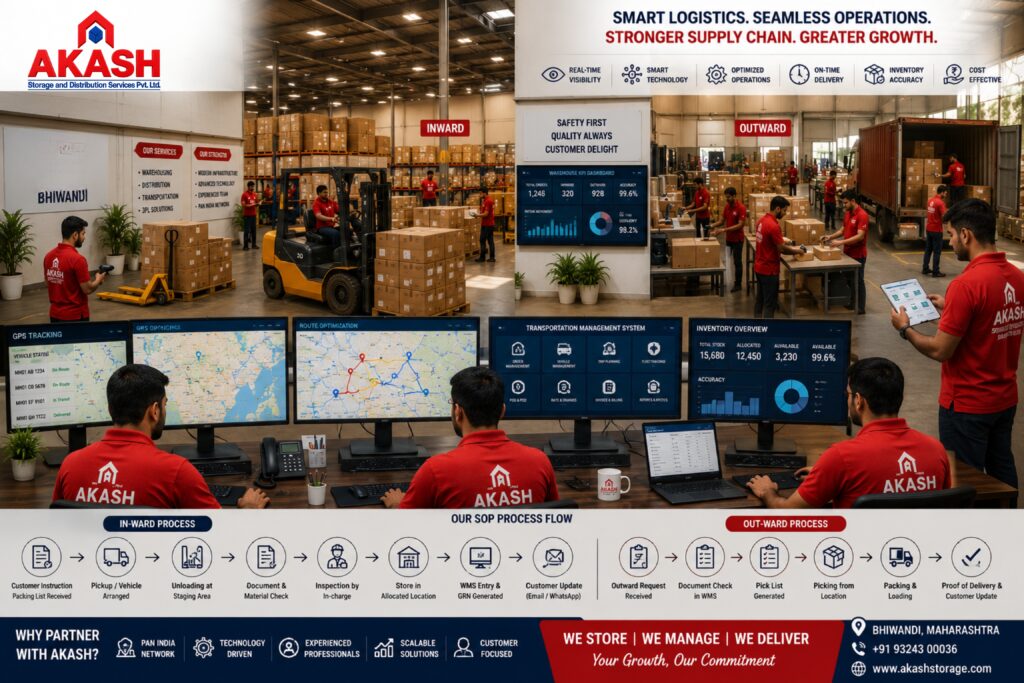
Vehicle breakdowns can create serious operational disruptions. Delayed shipments, emergency repairs, and missed deliveries increase logistics costs and affect customer trust.
Preventive vehicle maintenance helps businesses maintain fleet efficiency and reduce transportation risks.
Preventive Maintenance Includes
- Regular engine inspections
- Brake and tyre checks
- Oil replacement
- Battery inspections
- Safety system checks
Benefits of Preventive Maintenance
- Reduced vehicle downtime
- Lower repair expenses
- Improved fuel efficiency
- Better delivery reliability
- Increased vehicle lifespan
Well-maintained fleets operate more efficiently and help businesses avoid unexpected transportation delays.
5. Real-Time Tracking Improves Shipment Visibility
Modern logistics operations require complete shipment visibility. Real-time tracking systems help businesses monitor transportation activities and improve operational control.
GPS tracking and transportation monitoring systems provide live updates about shipment location, delivery progress, and route performance.
Benefits of Real-Time Tracking
- Better shipment visibility
- Improved customer communication
- Faster issue resolution
- Reduced delivery delays
- Improved operational monitoring
Real-time visibility allows logistics teams to identify transportation bottlenecks quickly and take corrective action before delays impact customers.
Tracking systems also improve accountability and support better transportation decision-making.
6. Technology Integration Improves Transportation Efficiency
Technology is now essential for transportation management. Businesses using advanced logistics software gain better control over transportation operations and reduce manual errors.
Essential Transportation Technologies
Transportation Management System (TMS)
A TMS helps businesses manage route planning, shipment scheduling, carrier coordination, and delivery tracking.
Fleet Management Software
Fleet management systems monitor vehicle performance, maintenance schedules, and driver efficiency.
Automated Dispatch Systems
Automated dispatching improves shipment planning and reduces coordination delays.
Logistics Analytics Dashboards
Analytics platforms provide transportation performance reports and cost analysis.
Benefits of Transportation Technology
- Reduced manual work
- Improved shipment accuracy
- Better operational visibility
- Faster transportation planning
- Lower logistics costs
Technology-driven transportation management improves efficiency across the entire supply chain.
7. Strategic Mode Selection Reduces Freight Costs
Selecting the right transportation method is critical for reducing logistics expenses. Different shipment types require different transportation modes based on urgency, distance, and product type.
Common Transportation Modes
- Full Truckload (FTL)
- Less-than-Truckload (LTL)
- Rail Transport
- Air Freight
- Sea Freight
Using the correct transportation mode helps businesses optimize delivery costs while maintaining operational efficiency.
Benefits of Proper Mode Selection
- Lower freight costs
- Better shipment planning
- Improved delivery timelines
- Higher transportation efficiency
Businesses that strategically manage transportation modes gain better control over logistics budgets and supply chain performance.
8. Driver Performance Improves Fuel Efficiency
Driver behaviour directly affects transportation expenses. Poor driving habits increase fuel consumption, accident risks, and maintenance costs.
Training drivers on fuel-efficient driving practices improves transportation performance and reduces operational expenses.
Fuel-Efficient Driving Practices
- Smooth acceleration and braking
- Reduced engine idling
- Speed control
- Safe driving techniques
- Route discipline
Benefits of Driver Performance Management
- Lower fuel costs
- Reduced vehicle maintenance
- Improved road safety
- Better fleet performance
Professional driver management programs help businesses improve transportation reliability and reduce logistics risks.
9. Freight Consolidation Reduces Delivery Expenses
Freight consolidation combines multiple shipments into fewer transportation loads. This improves vehicle utilization and reduces delivery expenses.
Businesses managing multiple delivery locations benefit significantly from consolidated transportation planning.
Benefits of Freight Consolidation
- Reduced transportation trips
- Lower shipping costs
- Better route efficiency
- Reduced fuel consumption
- Improved logistics planning
Freight consolidation also helps businesses improve delivery coordination and reduce transportation waste.
10. Warehouse and Transportation Integration Improves Logistics Efficiency
Warehousing and transportation operations must work together efficiently for smooth logistics management. Poor coordination between storage and transportation causes shipment delays and operational inefficiencies.
Integrated logistics operations improve inventory movement, dispatch planning, and delivery coordination.
Benefits of Integrated Logistics Operations
- Faster dispatch operations
- Better inventory flow
- Reduced loading delays
- Improved order fulfillment
- Lower transportation costs
At Akash Storage & Distribution Services Pvt. Ltd., warehousing and transportation systems are coordinated to support faster and more efficient logistics operations for businesses across Mumbai and Bhiwandi.
Internal Linking Opportunities
- Warehousing Services in Bhiwandi
- Inventory Management Solutions
- Distribution Services Mumbai
11. Choosing the Right Logistics Partner for Cost Reduction
An experienced logistics partner helps businesses improve transportation efficiency, reduce risks, and manage operational costs effectively.
Professional logistics providers offer:
- Transportation planning expertise
- Real-time shipment visibility
- Integrated warehousing support
- Scalable logistics infrastructure
- Advanced transportation technology
Choosing the right logistics partner allows businesses to focus on growth while maintaining efficient transportation operations.
Businesses working with Akash Storage & Distribution Services Pvt. Ltd. benefit from professional transportation management, warehousing support, and supply chain solutions designed to improve logistics performance and reduce operational costs.
Conclusion
Transportation management is one of the most important factors in reducing logistics expenses and improving supply chain efficiency. Businesses that invest in route optimization, load planning, fleet maintenance, transportation technology, and integrated logistics operations gain a strong competitive advantage.
Efficient transportation systems reduce fuel costs, improve delivery performance, minimize operational risks, and enhance customer satisfaction.
For businesses looking to optimize transportation and warehousing operations, professional logistics planning is essential for long-term growth and operational success.
With smart transportation strategies and integrated logistics support, businesses can improve efficiency, reduce costs, and build a stronger supply chain for future growth.
FAQ
Transportation management strategies are operational methods used to improve delivery efficiency, reduce fuel costs, optimize routes, and improve shipment visibility.
Route optimization reduces fuel consumption, unnecessary travel distance, and delivery delays by selecting efficient transportation routes.
Real-time tracking improves shipment visibility, customer communication, and operational control during transportation operations.
GPS tracking systems, fleet management software, Transportation Management Systems (TMS), and automated dispatch platforms improve transportation efficiency.
Akash Storage provides organized transportation planning, integrated warehousing support, and scalable logistics solutions designed to improve delivery efficiency and reduce operational costs.