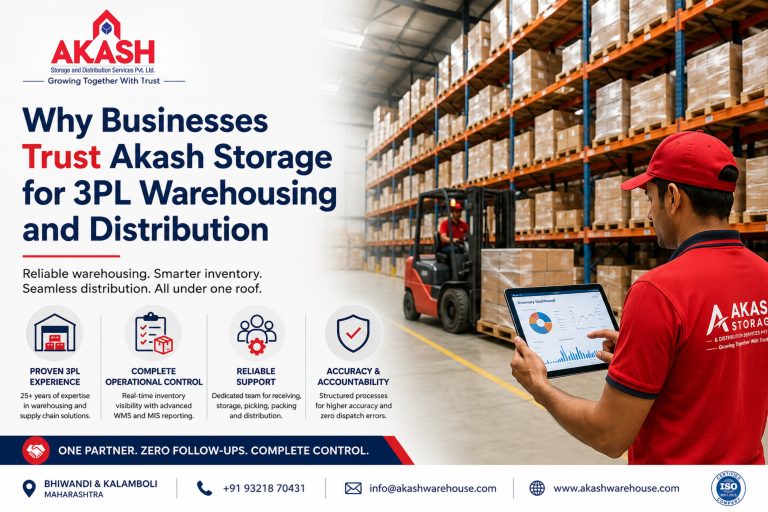
India’s growing pharmaceutical and food industries are driving demand for cold-chain inventory management, a critical component of supply chain resilience. With over 1.3 billion people and a rising middle class, the need for safe, temperature-controlled storage of perishable goods is more urgent than ever. Cold-chain logistics ensures that vaccines, medicines, and food products maintain their integrity from manufacturer to consumer, yet challenges like power outages, equipment failure, and regulatory compliance continue to test operators. For businesses like ASDSPL, adopting best practices and leveraging technology such as IoT monitoring and real-time expiry tracking is not just an option—it’s a necessity. This article explores how India’s cold-chain logistics landscape is evolving, with a focus on how ASDSPL is setting new standards in precision, efficiency, and compliance.
Understanding Cold-Chain Inventory Management in India
Cold-chain inventory management in India is a critical component of the pharmaceutical and food supply chains, ensuring the integrity of temperature-sensitive products from production to consumption. With the rise of e-commerce and the need for compliance with stringent regulations like the Drugs and Cosmetics Act, 1940, and the Goods and Services Tax (GST), the demand for reliable cold-chain solutions has surged. In 2026, India’s cold-chain market is expected to grow at a CAGR of 12.5%, driven by increasing investments in IoT-enabled monitoring and automation source.
Key Trends in Cold-Chain Inventory Management
Real-time stock visibility and batch expiry tracking are now essential for maintaining compliance and reducing waste. Inventory management companies in India are adopting warehouse management systems (WMS) that support lot-level inventory tracking, enabling precise control over perishable goods. This is particularly vital for pharmaceuticals, where even minor deviations in temperature can compromise product efficacy.
Automation is also transforming cold-chain operations. From intelligent AI algorithms to warehouse robots, these technologies are reducing human errors and improving accuracy. For instance, IoT sensors in cold storage facilities provide continuous temperature monitoring, ensuring that products remain within the required range. This level of precision is crucial for maintaining trust with clients and meeting regulatory standards.
ASDSPL, as a leading inventory management company in India, leverages these advancements to deliver zone-aware cold-chain storage, real-time stock visibility, and client-facing temperature graphs. By integrating these technologies, we help businesses reduce costs, improve efficiency, and ensure compliance with evolving industry standards.
The Role of IoT in Cold-Chain Inventory Management
In India, where the cold-chain logistics sector is rapidly expanding to meet the demands of pharmaceuticals, dairy, and fresh produce, IoT-enabled monitoring systems are becoming a cornerstone of effective inventory management. These systems provide real-time data on temperature, humidity, and other critical parameters, ensuring that perishable goods remain within safe conditions throughout the supply chain.
Ensuring Product Integrity in India’s Cold-Chain Ecosystem
With the rise of e-commerce and the growing emphasis on food safety, IoT sensors are deployed across cold storage facilities in cities like Mumbai, Delhi, and Chennai. These sensors continuously monitor environmental conditions and transmit data to a centralized platform, enabling immediate action if deviations occur. For instance, a temperature spike in a refrigerated truck carrying vaccines could trigger an alert, allowing logistics teams to rectify the issue before product spoilage.
ASDSPL leverages such IoT systems to offer cold-chain storage and monitoring services, ensuring compliance with Indian regulations like the Drug and Cosmetic Act and the Food Safety and Standards Act. This level of precision is crucial for maintaining the integrity of high-value goods, such as biologics and dairy products, which are sensitive to even minor environmental changes.
Integration with Inventory Management Systems
IoT data is seamlessly integrated with inventory management systems, enabling lot-level tracking and batch expiry monitoring. This integration supports real-time stock visibility, which is essential for businesses looking to optimize their inventory management cost and pricing strategies. For example, a pharmaceutical company using ASDSPL’s services can track the exact temperature and humidity conditions of each batch of medicine, ensuring compliance with regulatory standards and reducing the risk of product recalls.
By combining IoT with advanced inventory management solutions, ASDSPL helps its clients achieve greater operational efficiency, reduce waste, and meet the growing demand for reliable cold-chain logistics in India.
Cost of Inventory Management Services in India
Inventory management services in India are essential for businesses across sectors, particularly in warehousing and logistics. The cost of these services varies significantly based on the scale of operations, technology integration, and the complexity of the supply chain. On average, inventory management services in India range from ₹10,000 to ₹50,000 per month, depending on the level of customization and the features required.
Factors Influencing Inventory Management Costs
Several factors influence the pricing of inventory management services in India. These include the size of the inventory, the number of SKUs, the need for real-time stock visibility, and the integration of advanced technologies such as IoT and AI. For instance, businesses requiring batch expiry tracking and lot level inventory management may incur higher costs due to the complexity of these systems.
| Service Type | Average Monthly Cost (₹) |
|---|---|
| Basic Inventory Management | 10,000–20,000 |
| Advanced Inventory Management | 25,000–50,000 |
Businesses looking for real-time stock visibility and WMS inventory solutions may find that the cost increases due to the need for robust software and integration with existing systems. Additionally, the use of cold-chain storage and monitoring adds to the overall cost, as these services require specialized equipment and continuous monitoring.
Inventory Management Pricing in India: Factors Influencing Costs
Inventory management pricing in India is shaped by several key factors, including the size of the business, the number of SKUs, the level of automation, and the integration of real-time tracking systems. These elements collectively determine the cost structure for businesses seeking to optimize their inventory operations.
Business Size and SKU Complexity
The scale of operations significantly impacts inventory management costs. Small businesses with fewer SKUs may opt for simpler, cost-effective solutions, while larger enterprises often require advanced systems to manage complex inventory structures. For instance, a mid-sized e-commerce business in Mumbai with 500 SKUs may pay ₹15,000–₹25,000 per month for a basic inventory management service, whereas a large pharmaceutical company with 10,000 SKUs might invest ₹50,000–₹1,00,000 monthly to support lot-level tracking and batch expiry monitoring.
Automation and Real-Time Tracking
Automation plays a pivotal role in reducing manual errors and improving efficiency. Real-time stock visibility, enabled through technologies like IoT and cloud-based WMS, can increase operational accuracy and reduce losses. According to Future Market Insights, the demand for inventory management software in India is growing due to the rise of digital commerce and logistics services. Integrating these systems can add 10–20% to the base cost, depending on the level of automation required.
Integration with Cold-Chain Systems
For businesses dealing with perishable goods, cold-chain storage and monitoring add another layer to inventory management pricing. Cold-chain IoT sensors and temperature-controlled storage increase operational costs but are essential for maintaining product integrity. A pharmaceutical company in Delhi, for example, may pay an additional ₹10,000–₹20,000 per month for cold-chain monitoring and temperature-controlled storage.
Best Inventory Management Agencies in India
India’s growing pharmaceutical and food industries are increasingly relying on advanced inventory management solutions to ensure compliance with regulatory standards and maintain product integrity. Leading agencies such as Zonos, XpressBees, and InvenSense are at the forefront of this transformation, offering tailored services that meet the unique needs of these sectors. These agencies provide a range of services including inventory management service, batch expiry tracking, and lot level inventory, ensuring that businesses can maintain real-time stock visibility and wms inventory systems.
Key Features of Top Inventory Management Agencies
| Agency | Specialization | Key Services |
|---|---|---|
| Zonos | Pharmaceuticals | Batch expiry tracking, lot level inventory, real-time stock visibility |
| XpressBees | Food & Beverages | WMS inventory, cold-chain storage, temperature monitoring |
| InvenSense | Both | Inventory management cost, lot level tracking, real-time stock visibility |
These agencies not only help in managing inventory efficiently but also ensure that businesses remain compliant with regulations such as the Goods and Services Tax (GST) and the Pharmaceuticals and Medical Devices Pricing Authority (PMPA) guidelines. With the rise of real-time data analytics and automation, the future of inventory management in India is becoming more predictive and efficient, enabling businesses to reduce costs and improve accuracy source.
How to Hire an Inventory Management Company in India
Hiring an inventory management company in India requires a strategic approach to ensure alignment with your operational needs, especially when dealing with perishable goods. A reliable partner should offer real-time stock visibility, batch expiry tracking, and lot-level inventory management to prevent spoilage and ensure compliance with regulatory standards. These capabilities are critical for industries such as pharmaceuticals, food, and agriculture, where product integrity is paramount.
Evaluating Technological Capabilities
Look for companies that leverage advanced technologies like IoT sensors for cold-chain monitoring and AI-driven analytics for demand forecasting. These tools enable real-time tracking and expiry monitoring, which are essential for maintaining the quality of perishable goods. A robust WMS (Warehouse Management System) should support lot-level inventory tracking and provide point-in-time snapshots for accurate stock visibility.
Industry Experience and Compliance
Choose a company with experience in your specific industry, particularly if you operate in regulated sectors like pharmaceuticals or food. Ensure they are familiar with Indian regulations, including GST compliance and cold-chain storage standards. A proven track record in managing expiry dates and batch tracking can significantly reduce waste and enhance supply chain efficiency.
Cost and Pricing Models
Inventory management cost in India varies based on the scale of operations and the complexity of your inventory. Many providers offer flexible pricing models, including subscription-based services and pay-per-use options. Always request a detailed breakdown of costs, including any additional charges for real-time tracking or cold-chain monitoring.
Inventory Management Services Available in India
India’s logistics and supply chain sector is rapidly evolving, with inventory management services playing a pivotal role in ensuring operational efficiency and customer satisfaction. As businesses expand their reach across e-commerce, retail, and pharmaceuticals, the demand for advanced inventory management solutions has surged. Inventory management services in India now offer real-time stock visibility, batch expiry tracking, and lot-level inventory management, supported by robust warehouse management systems (WMS) and IoT integration.
Key Inventory Management Services in India
- Real-Time Stock Visibility: Enables businesses to monitor inventory levels across multiple locations, reducing the risk of stockouts and overstocking. This is particularly crucial for e-commerce sellers managing inventory across platforms like Amazon, Flipkart, and Instagram.
- Batch Expiry Tracking: Essential for perishable goods, this feature helps businesses manage expiry dates effectively, ensuring compliance with regulatory standards and minimizing waste.
- Lot-Level Inventory Management: Offers granular control over inventory, allowing businesses to track products at the lot level, which is vital for industries such as pharmaceuticals and food processing.
- WMS Inventory Integration: Advanced WMS systems provide automation, data analytics, and real-time insights, helping businesses optimize inventory levels and reduce manual errors.
With the rise of cold-chain logistics, companies like ASDSPL are offering temperature-controlled storage and IoT-based monitoring, ensuring compliance with India’s stringent food safety and pharmaceutical regulations. These services are tailored to meet the needs of both small and large enterprises, with pricing models that include subscription-based plans and usage-based billing.
Conclusion
Cold-chain inventory management in India is evolving rapidly, driven by the need for precision in pharmaceuticals, food, and perishables. ASDSPL’s integration of IoT, real-time monitoring, and zone-aware storage positions it well to meet these demands. By leveraging technology for transparency and compliance, the company not only enhances operational efficiency but also builds trust with clients. As regulatory scrutiny and consumer expectations grow, investing in advanced cold-chain solutions will be key to staying competitive. Consider evaluating your current cold-chain processes and exploring how digital tools can elevate your supply chain resilience and customer satisfaction.
Frequently Asked Questions
What is the cost of inventory management services in India?
Inventory management services in India range from ₹5,000 to ₹50,000 per month, depending on the scale of operations and features required. Small businesses may opt for basic cloud-based solutions, while large enterprises invest in customised systems with AI and automation.
How much does inventory management pricing vary in India?
Pricing varies based on the complexity of operations, number of SKUs, and technology integration. Small businesses may pay ₹10,000–₹20,000 per month, while large enterprises can spend ₹50,000–₹200,000 monthly, depending on the features and scalability.
How can I hire an inventory management company in India?
To hire an inventory management company in India, research firms like TechAvidus or CyberStockroom, shortlist based on their experience and technology, and request a free consultation to customise a solution for your business needs.
What are the inventory management services available in India?
India offers a range of inventory management services, including cloud-based solutions, AI-driven analytics, real-time tracking, and automation tools. These services cater to e-commerce, logistics, and retail sectors, ensuring efficient stock management.
What are the inventory management companies operating in India?
Leading inventory management companies in India include TechAvidus, CyberStockroom, and Dynamic Distributors. These firms provide scalable solutions with AI and automation, supporting both small and large businesses across various industries.
Which is the best inventory management agency in India?
In India, companies like TechAvidus and CyberStockroom are considered top choices for inventory management. They offer advanced solutions with AI and automation, tailored for e-commerce and logistics businesses.