Introduction
India’s logistics and warehousing sector is undergoing a significant transformation. As e-commerce expands, manufacturing grows, and customer expectations continue to evolve, businesses are increasingly relying on efficient warehousing solutions to support their operations.
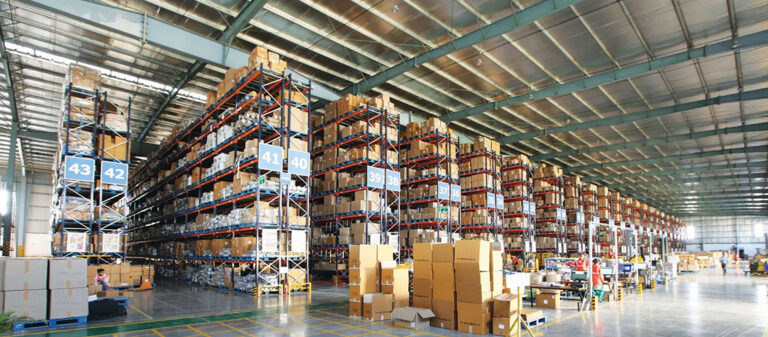
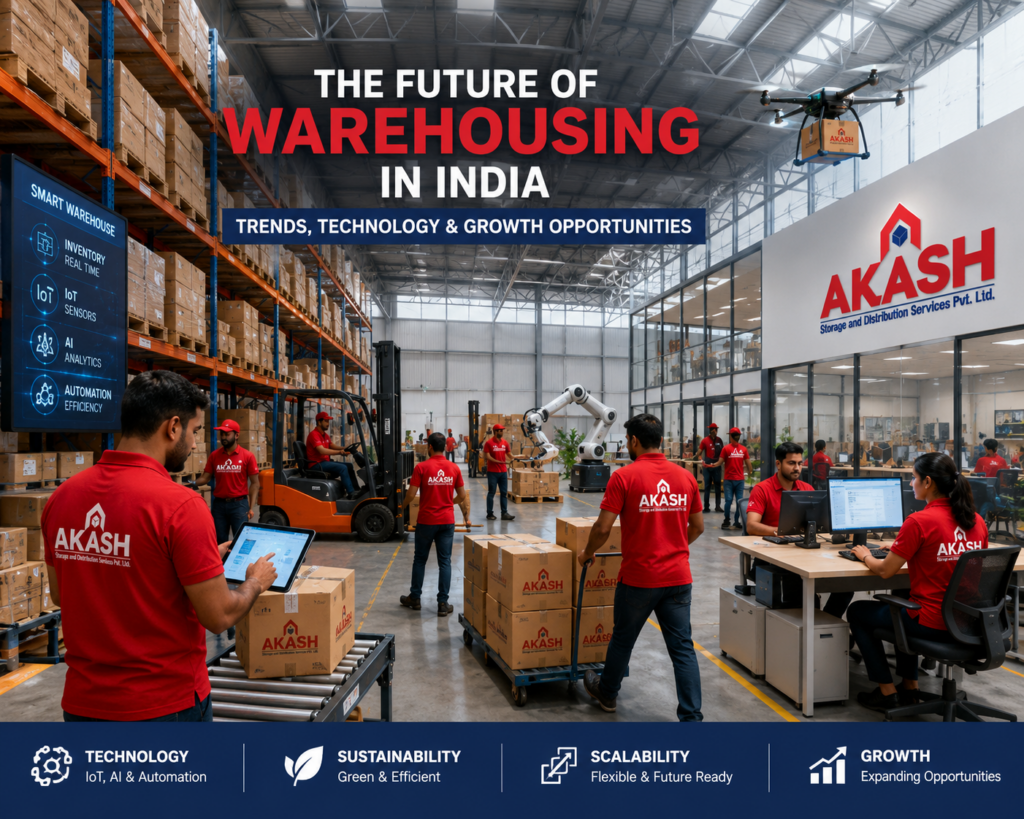
Warehousing is no longer just about storing goods. Today, warehouses serve as critical hubs that enable inventory management, order fulfillment, distribution, and supply chain optimization. With rapid advancements in technology and increasing demand for faster deliveries, the future of warehousing in India is becoming smarter, more efficient, and highly integrated with digital systems.
Businesses that understand and embrace these changes will be better positioned to compete in an increasingly dynamic marketplace.
The Evolution of Warehousing in India
Traditionally, warehouses were viewed as simple storage facilities. Their primary purpose was to hold inventory until products were needed for distribution or sale.
However, the rise of organized retail, e-commerce platforms, and global supply chains has fundamentally changed the role of warehouses. Modern warehouses are now strategic assets that contribute directly to customer satisfaction, operational efficiency, and business growth.
Today’s warehouses are designed to:
- Improve inventory visibility
- Reduce operational costs
- Increase order accuracy
- Support faster deliveries
- Enhance supply chain performance
As businesses seek greater efficiency, the warehousing industry continues to evolve rapidly.
Key Trends Shaping the Future of Warehousing in India
1. Growth of Smart Warehousing
Smart warehousing is becoming a major trend across India. Companies are adopting advanced technologies to improve efficiency and reduce manual processes.
Smart warehouses utilize:
- Warehouse Management Systems (WMS)
- Barcode scanning
- RFID technology
- Real-time inventory tracking
- Cloud-based reporting tools
These technologies provide greater visibility into warehouse operations and help businesses make informed decisions.
The result is improved inventory accuracy, faster order processing, and better utilization of warehouse space.
2. Increasing Demand for Third-Party Logistics (3PL)
Many businesses are choosing to outsource their warehousing and logistics operations to professional Third-Party Logistics (3PL) providers.
A reliable 3PL partner offers:
- Storage solutions
- Inventory management
- Distribution services
- Transportation coordination
- Value-added logistics services
By outsourcing logistics operations, companies can focus on their core business activities while benefiting from professional expertise and scalable infrastructure.
The demand for 3PL services is expected to continue growing as businesses seek flexibility and cost efficiency.
3. Warehouse Automation
Automation is transforming warehouse operations around the world, and India is rapidly embracing this trend.
Automation technologies include:
- Automated storage systems
- Conveyor systems
- Automated sorting equipment
- Robotics-assisted picking
- Digital inventory tracking
Warehouse automation reduces human error, increases productivity, and supports faster order fulfillment.
As technology becomes more affordable, automation is likely to become a standard feature in modern warehouses.
4. Rise of E-Commerce and Omnichannel Distribution
The rapid growth of e-commerce has significantly impacted warehousing requirements.
Consumers now expect:
- Faster deliveries
- Real-time order tracking
- Accurate fulfillment
- Flexible delivery options
To meet these expectations, businesses require strategically located warehouses capable of supporting omnichannel distribution.
Warehouses must efficiently manage inventory across multiple sales channels while ensuring timely delivery to customers.
This trend is driving investment in modern warehousing infrastructure across India.
Technology’s Role in Future Warehousing
Technology will continue to play a central role in shaping the future of warehousing.
Warehouse Management Systems (WMS)
A Warehouse Management System helps businesses:
- Track inventory
- Manage stock movements
- Monitor warehouse performance
- Optimize storage space
WMS solutions improve operational visibility and support data-driven decision-making.
Internet of Things (IoT)
IoT-enabled devices allow warehouse managers to monitor equipment, inventory, and environmental conditions in real time.
Benefits include:
- Improved inventory accuracy
- Reduced downtime
- Better asset management
- Enhanced operational efficiency
Artificial Intelligence (AI)
Artificial Intelligence is helping warehouses become more predictive and efficient.
AI applications include:
- Demand forecasting
- Inventory optimization
- Route planning
- Workforce management
Businesses can use AI to improve planning and reduce operational costs.
Data Analytics
Data analytics enables warehouse operators to identify trends, measure performance, and continuously improve operations.
Companies that leverage data effectively gain a competitive advantage through better decision-making and increased efficiency.
Importance of Strategic Warehouse Locations
Location remains one of the most important factors in warehousing success.
Strategically located warehouses provide:
- Faster delivery times
- Reduced transportation costs
- Better customer service
- Improved inventory availability
As supply chains become more complex, businesses are increasingly investing in warehouse networks that improve regional and national distribution capabilities.
India’s growing infrastructure development is creating new opportunities for strategic warehousing investments.
Sustainability in Warehousing
Sustainability is becoming a priority for businesses across all industries.
Modern warehouses are adopting environmentally responsible practices such as:
- Energy-efficient lighting
- Solar power systems
- Waste reduction initiatives
- Digital documentation
- Efficient transportation planning
Sustainable warehousing not only benefits the environment but also reduces operating costs and enhances corporate reputation.
Businesses that embrace sustainability are likely to gain long-term competitive advantages.
Challenges Facing the Warehousing Industry
Despite significant progress, the warehousing sector continues to face several challenges.
Infrastructure Limitations
Although infrastructure development is improving, some regions still face transportation and connectivity challenges.
Skilled Workforce Requirements
As warehouses become more technologically advanced, businesses require employees with specialized skills in logistics, automation, and data management.
Rising Customer Expectations
Customers increasingly expect faster deliveries, greater transparency, and flawless service.
Warehousing operations must continuously evolve to meet these expectations.
Cost Management
Businesses must balance investments in technology and infrastructure while maintaining operational profitability.
Effective planning and strategic partnerships can help address these challenges.
Growth Opportunities for Businesses
The future presents significant opportunities for businesses that invest in modern warehousing solutions.
Key opportunities include:
- Expansion of e-commerce operations
- Adoption of warehouse automation
- Integration of digital technologies
- Improved supply chain visibility
- Enhanced customer experiences
- Increased operational scalability
Companies that proactively embrace innovation will be better equipped to capitalize on future market opportunities.
Conclusion
The future of warehousing in India is bright and full of opportunity. Technology, automation, sustainability, and evolving customer expectations are reshaping the logistics landscape.
Modern warehouses are becoming intelligent operational hubs that support inventory management, order fulfillment, and supply chain optimization. Businesses that invest in smart warehousing solutions today will gain a significant competitive advantage in the years ahead.
As the logistics industry continues to evolve, organizations must view warehousing as a strategic investment rather than a simple storage function. By embracing innovation and partnering with experienced warehousing providers, businesses can build stronger, more efficient, and more resilient supply chains.