Introduction
In today’s fast-paced business environment, managing logistics efficiently has become more important than ever. Customers expect faster deliveries, accurate order fulfillment, and seamless service. At the same time, businesses face increasing pressure to control costs, improve operational efficiency, and remain competitive.
For many organizations, handling logistics in-house can be expensive and complex. This is where Third-Party Logistics (3PL) services play a crucial role.
A 3PL provider manages key logistics functions such as warehousing, inventory management, transportation, order fulfillment, and distribution. By outsourcing these operations, businesses can focus on their core activities while benefiting from professional logistics expertise and infrastructure.
Whether you are a manufacturer, distributor, retailer, or e-commerce company, partnering with a reliable 3PL provider can deliver significant advantages and support long-term business growth.
What Are 3PL Services?
Third-Party Logistics (3PL) refers to outsourcing logistics and supply chain operations to a specialized service provider.
A typical 3PL provider offers:
- Warehousing and storage
- Inventory management
- Order fulfillment
- Transportation management
- Distribution services
- Packaging and labeling
- Reverse logistics support
Rather than investing heavily in warehouses, transportation fleets, and logistics staff, businesses can leverage the expertise and infrastructure of a professional logistics partner.
This approach helps improve efficiency while reducing operational complexity.
Why Are 3PL Services Growing in Demand?
The logistics industry is evolving rapidly due to:
- Growth of e-commerce
- Rising customer expectations
- Increasing supply chain complexity
- Demand for faster deliveries
- Need for cost optimization
Businesses are realizing that logistics is no longer just a support function—it is a strategic advantage.
As a result, many organizations are turning to 3PL providers to strengthen their supply chain capabilities and improve overall performance.
1. Reduces Operational Costs
One of the primary benefits of 3PL services is cost savings.
Managing logistics internally often requires substantial investments in:
- Warehouse facilities
- Equipment
- Technology
- Transportation
- Labor
These expenses can quickly become overwhelming, especially for growing businesses.
A 3PL provider spreads infrastructure and operational costs across multiple clients, allowing businesses to access professional logistics services without large capital investments.
Cost savings often include:
- Lower warehouse expenses
- Reduced transportation costs
- Improved inventory efficiency
- Lower labor requirements
These savings directly contribute to improved profitability.
2. Access to Professional Expertise
Logistics is a specialized field that requires knowledge, experience, and operational expertise.
Professional 3PL providers understand:
- Supply chain best practices
- Inventory management strategies
- Transportation regulations
- Warehouse optimization techniques
- Industry-specific logistics requirements
By partnering with an experienced logistics provider, businesses gain access to valuable expertise that helps improve efficiency and reduce risks.
Instead of building an internal logistics team from scratch, companies can immediately benefit from established processes and industry knowledge.
3. Improved Inventory Management
Inventory management is a critical component of supply chain success.
Poor inventory control can lead to:
- Stock shortages
- Overstocking
- Delayed shipments
- Lost sales opportunities
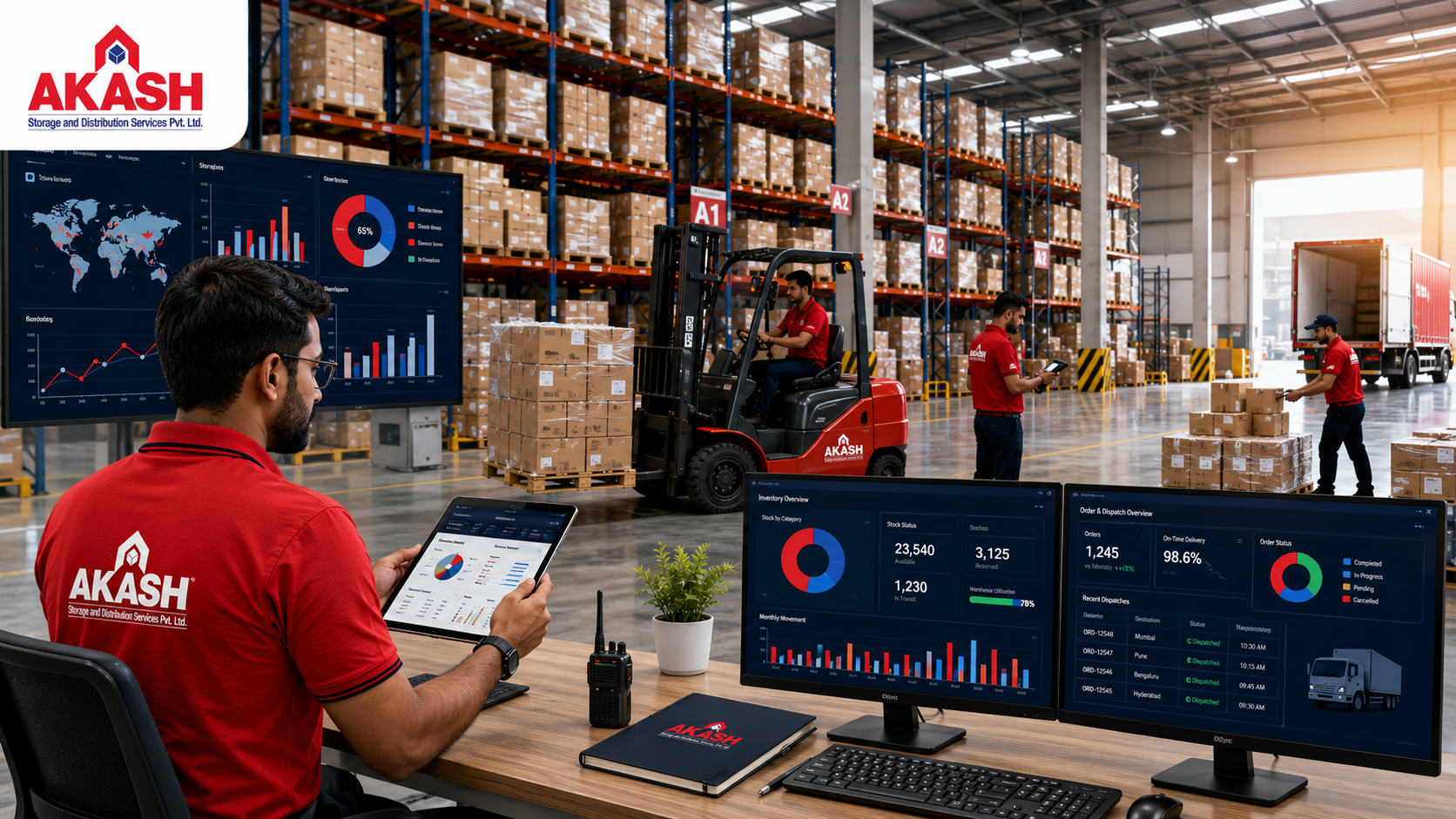
3PL providers utilize advanced Warehouse Management Systems (WMS) to maintain accurate inventory records and provide real-time visibility into stock levels.
Benefits include:
- Better inventory accuracy
- Improved stock control
- Faster inventory tracking
- Reduced inventory carrying costs
Accurate inventory management helps businesses make informed decisions and improve customer service.
4. Scalability and Flexibility
Business needs often change due to seasonal demand, market growth, or new product launches.
One of the biggest advantages of 3PL services is scalability.
A professional logistics provider can quickly adjust storage space, labor resources, and transportation capacity to meet changing requirements.
This flexibility allows businesses to:
- Handle seasonal peaks
- Expand into new markets
- Launch new products
- Respond to market changes efficiently
Without scalable logistics support, rapid growth can create operational challenges and service disruptions.
5. Faster Order Fulfillment
Today’s customers expect quick and reliable deliveries.
Order fulfillment speed directly impacts customer satisfaction and brand reputation.
3PL providers streamline fulfillment processes through:
- Efficient warehouse layouts
- Advanced inventory systems
- Optimized picking and packing procedures
- Strategic warehouse locations
These capabilities enable faster processing and shipping of customer orders.
When businesses deliver products quickly and accurately, customer loyalty and repeat purchases increase.
6. Enhanced Supply Chain Efficiency
Supply chain efficiency depends on seamless coordination between inventory, warehousing, transportation, and distribution.
3PL providers help optimize these processes through:
- Integrated logistics solutions
- Real-time inventory visibility
- Transportation management
- Performance monitoring
Efficient supply chain operations reduce delays, improve responsiveness, and enhance overall business performance.
Companies that strengthen their supply chains gain a competitive advantage in increasingly demanding markets.
7. Access to Advanced Technology
Modern logistics relies heavily on technology.
Many businesses struggle to invest in expensive logistics software and systems.
Leading 3PL providers offer access to:
Warehouse Management Systems (WMS)
Track inventory, manage stock movements, and optimize warehouse operations.
Transportation Management Systems (TMS)
Improve transportation planning and shipment visibility.
Real-Time Reporting
Monitor logistics performance and inventory levels instantly.
Data Analytics
Generate insights that support strategic decision-making.
By utilizing advanced technology, businesses improve operational efficiency and gain greater supply chain visibility.
8. Focus on Core Business Activities
Managing logistics can consume significant time and resources.
When businesses outsource logistics to a 3PL provider, they can focus on:
- Sales and marketing
- Product development
- Customer service
- Strategic planning
- Business expansion
This allows management teams to concentrate on activities that directly contribute to growth and profitability.
Meanwhile, logistics experts handle warehousing, inventory management, and distribution operations.
9. Improved Risk Management
Supply chains face numerous risks, including:
- Transportation disruptions
- Inventory shortages
- Regulatory changes
- Operational inefficiencies
Experienced 3PL providers have systems and processes in place to manage these risks effectively.
They can:
- Develop contingency plans
- Maintain inventory visibility
- Ensure regulatory compliance
- Improve operational resilience
Strong risk management protects business continuity and customer relationships.
10. Better Customer Satisfaction
Ultimately, logistics performance directly affects customer experience.
Customers expect:
- Accurate orders
- Fast deliveries
- Reliable service
- Real-time updates
A professional 3PL provider helps businesses meet these expectations consistently.
Benefits include:
- Higher order accuracy
- Reduced delivery delays
- Improved communication
- Enhanced customer trust
Satisfied customers are more likely to become repeat buyers and recommend the business to others.
How to Choose the Right 3PL Provider
When selecting a logistics partner, businesses should evaluate:
Industry Experience
Choose a provider with expertise in your sector.
Technology Capabilities
Ensure they offer modern logistics systems and reporting tools.
Warehouse Infrastructure
Assess storage capacity, security measures, and operational capabilities.
Scalability
Verify that the provider can support future growth.
Customer Support
Strong communication and responsive service are essential.
A trusted logistics partner becomes an extension of your business and contributes directly to operational success.
Conclusion
Third-Party Logistics (3PL) services have become an essential component of modern supply chain management. By outsourcing warehousing, inventory management, fulfillment, and distribution operations, businesses can reduce costs, improve efficiency, and focus on growth.
As customer expectations continue to rise and supply chains become increasingly complex, partnering with a reliable 3PL provider offers significant competitive advantages.
From scalability and technology access to improved customer satisfaction and operational efficiency, 3PL services help businesses build stronger, more resilient supply chains.
Organizations that leverage professional logistics expertise today will be better prepared for tomorrow’s opportunities and challenges.
Looking for a Trusted 3PL Partner?
Akash Storage & Distribution Services Pvt. Ltd. offers comprehensive warehousing, inventory management, and distribution solutions tailored to your business needs.