Introduction
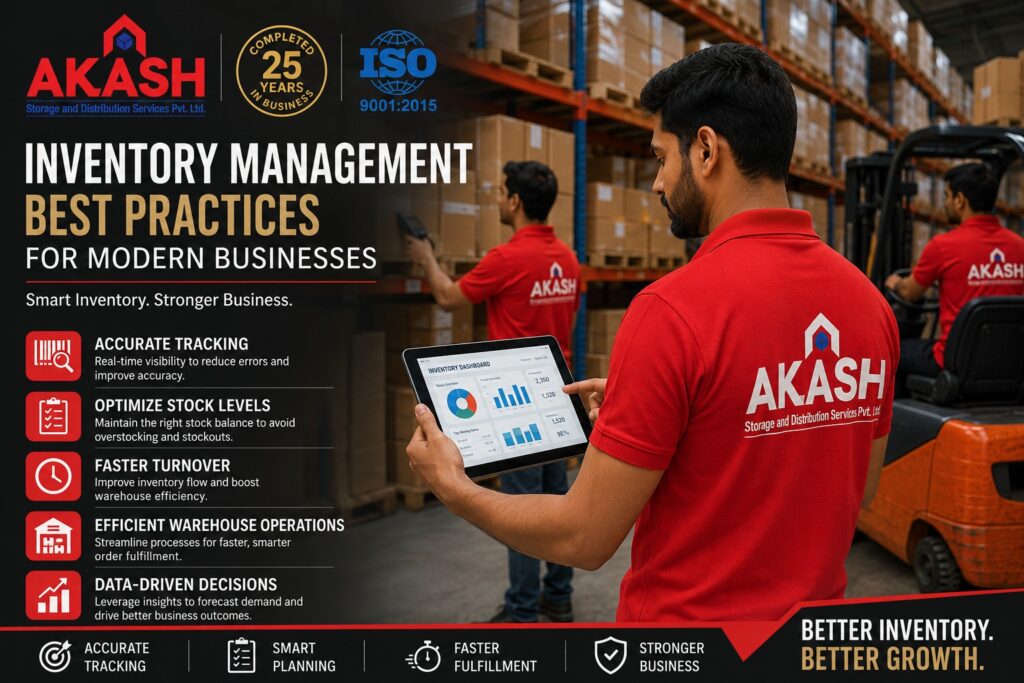
Inventory is one of the most valuable assets for any business. Whether you operate in manufacturing, retail, e-commerce, pharmaceuticals, FMCG, or distribution, maintaining the right inventory levels is essential for business success.
Too much inventory can increase storage costs and tie up working capital, while too little inventory can lead to stockouts, lost sales, and dissatisfied customers. This is why effective inventory management plays a critical role in achieving operational efficiency and profitability.
Inventory management is not simply about counting products. It involves planning, tracking, controlling, and optimizing stock levels to ensure products are available when needed while minimizing costs.
In today’s highly competitive marketplace, businesses that implement strong inventory management practices gain a significant advantage by improving customer satisfaction, reducing waste, and enhancing supply chain performance.
What is Inventory Management?
Inventory management is the process of tracking and controlling goods throughout the supply chain.
It includes:
- Receiving inventory
- Storing products
- Monitoring stock levels
- Tracking inventory movement
- Managing replenishment
- Fulfilling customer orders
The goal is to maintain the right inventory levels at the right time and place.
Effective inventory management helps businesses balance customer demand with operational efficiency while avoiding unnecessary inventory-related costs.
Why Inventory Management Matters
Poor inventory management can create numerous challenges, including:
- Stock shortages
- Excess inventory
- Increased storage costs
- Order fulfillment delays
- Reduced customer satisfaction
- Cash flow problems
On the other hand, efficient inventory management provides:
- Better inventory visibility
- Improved forecasting
- Higher order accuracy
- Reduced operational costs
- Enhanced customer service
For modern businesses, inventory management is a strategic function that directly impacts profitability and growth.
1. Maintain Accurate Inventory Records
Inventory accuracy is the foundation of effective inventory management.
Inaccurate records often result in:
- Overstocking
- Stockouts
- Misplaced products
- Delayed deliveries
Businesses should regularly update inventory records and use inventory tracking systems to ensure accuracy.
Modern inventory management software provides real-time visibility into stock levels and movements, helping organizations maintain precise inventory data.
Accurate records improve planning and reduce costly inventory mistakes.
2. Implement Real-Time Inventory Tracking
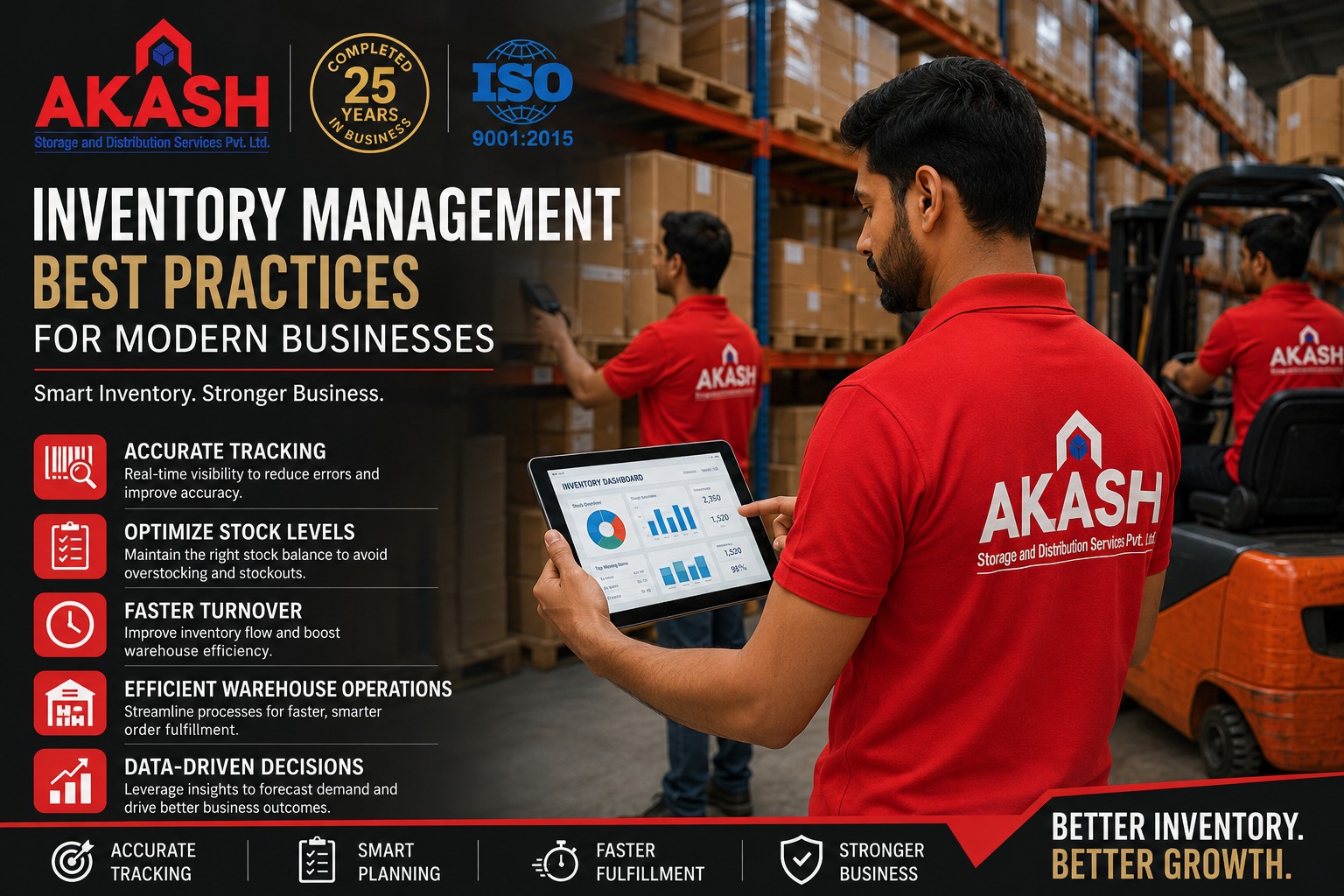
Real-time inventory tracking enables businesses to monitor stock levels continuously.
Benefits include:
- Instant inventory visibility
- Faster decision-making
- Reduced inventory discrepancies
- Better order management
Technologies such as barcode scanning, RFID systems, and Warehouse Management Systems (WMS) make real-time tracking easier and more reliable.
When businesses know exactly what inventory they have, they can respond quickly to customer demand and market changes.
3. Use Inventory Classification Methods
Not all inventory items have the same value or demand patterns.
ABC analysis is a common inventory classification method:
Category A
High-value products with lower sales volume.
Category B
Moderate-value products with average demand.
Category C
Lower-value products with higher sales volume.
This approach helps businesses prioritize inventory management efforts and allocate resources more effectively.
By focusing on high-value inventory, companies can improve profitability and reduce risks.
4. Forecast Demand Accurately
Demand forecasting helps businesses predict future inventory requirements.
Accurate forecasting reduces:
- Excess inventory
- Stock shortages
- Emergency purchases
Factors to consider include:
- Historical sales data
- Seasonal trends
- Market conditions
- Customer behavior
- Promotional activities
Businesses that forecast demand effectively can optimize inventory levels and improve overall supply chain performance.
5. Establish Reorder Points
A reorder point indicates when inventory should be replenished.
Without proper reorder points, businesses risk running out of stock or ordering too much inventory.
An effective reorder point considers:
- Average demand
- Lead time
- Safety stock requirements
Automated inventory systems can generate reorder alerts, helping businesses maintain optimal stock levels.
This ensures continuous product availability while minimizing carrying costs.
6. Maintain Safety Stock
Unexpected demand fluctuations and supply chain disruptions can occur at any time.
Safety stock acts as a buffer to prevent stockouts during unforeseen circumstances.
Benefits of maintaining safety stock include:
- Improved customer service
- Reduced risk of lost sales
- Better operational continuity
However, businesses should carefully calculate safety stock levels to avoid excessive inventory costs.
The right balance helps maintain service levels while controlling expenses.
7. Optimize Warehouse Organization
Warehouse organization significantly impacts inventory management efficiency.
An organized warehouse provides:
- Faster product retrieval
- Reduced picking errors
- Better inventory visibility
- Improved employee productivity
Best practices include:
- Clearly labeled storage locations
- Logical product placement
- Efficient warehouse layouts
- Regular inventory audits
Proper organization reduces operational delays and supports smoother warehouse operations.
8. Conduct Regular Inventory Audits
Inventory audits help identify discrepancies between physical stock and inventory records.
Common audit methods include:
Physical Inventory Counts
Complete counting of all inventory.
Cycle Counting
Regular counting of selected inventory items throughout the year.
Spot Checks
Random inventory verification.
Regular audits improve inventory accuracy and help identify issues before they become major problems.
Accurate inventory records support better decision-making and operational efficiency.
9. Leverage Technology for Inventory Management
Technology has revolutionized inventory management.
Modern inventory systems offer:
Warehouse Management Systems (WMS)
Track inventory movement and optimize warehouse operations.
Barcode Scanning
Improve accuracy and reduce manual errors.
RFID Technology
Provide real-time inventory visibility.
Cloud-Based Platforms
Enable remote access to inventory data.
Data Analytics
Generate insights that support forecasting and inventory optimization.
Technology-driven inventory management helps businesses improve efficiency while reducing costs.
10. Improve Supplier Relationships
Strong supplier relationships contribute to effective inventory management.
Reliable suppliers help businesses:
- Reduce lead times
- Improve product availability
- Manage inventory levels more effectively
Businesses should communicate regularly with suppliers and develop collaborative relationships that support supply chain reliability.
Strong partnerships improve flexibility and reduce supply chain risks.
Common Inventory Management Challenges
Many businesses face inventory-related challenges, including:
Overstocking
Excess inventory increases storage costs and ties up working capital.
Stockouts
Inventory shortages result in lost sales and dissatisfied customers.
Inventory Inaccuracy
Poor tracking leads to operational inefficiencies.
Demand Variability
Changing customer demand can complicate inventory planning.
Supply Chain Disruptions
Unexpected events may impact inventory availability.
Implementing best practices helps businesses overcome these challenges and maintain operational stability.
Key Benefits of Effective Inventory Management
Organizations that prioritize inventory management experience:
Lower Operational Costs
Efficient inventory control reduces waste and carrying costs.
Improved Cash Flow
Optimized inventory levels free up working capital.
Better Customer Satisfaction
Product availability improves customer experiences.
Increased Productivity
Employees spend less time searching for inventory.
Enhanced Supply Chain Efficiency
Inventory visibility improves coordination across the supply chain.
These benefits contribute directly to business growth and profitability.
Future Trends in Inventory Management
The future of inventory management will be driven by:
- Artificial Intelligence (AI)
- Predictive Analytics
- Automation
- Internet of Things (IoT)
- Real-Time Supply Chain Visibility
Businesses that adopt these technologies will gain greater control over inventory and improve operational performance.
As supply chains become increasingly complex, advanced inventory management solutions will become essential for maintaining competitiveness.
Conclusion
Effective inventory management is critical for business success in today’s dynamic marketplace. By implementing best practices such as accurate inventory tracking, demand forecasting, warehouse optimization, and technology adoption, businesses can reduce costs, improve efficiency, and enhance customer satisfaction.
Inventory management is no longer just an operational necessity—it is a strategic advantage that supports long-term growth and supply chain excellence.
Organizations that invest in strong inventory management practices will be better positioned to respond to changing market conditions, meet customer expectations, and achieve sustainable business success.